Customer stories
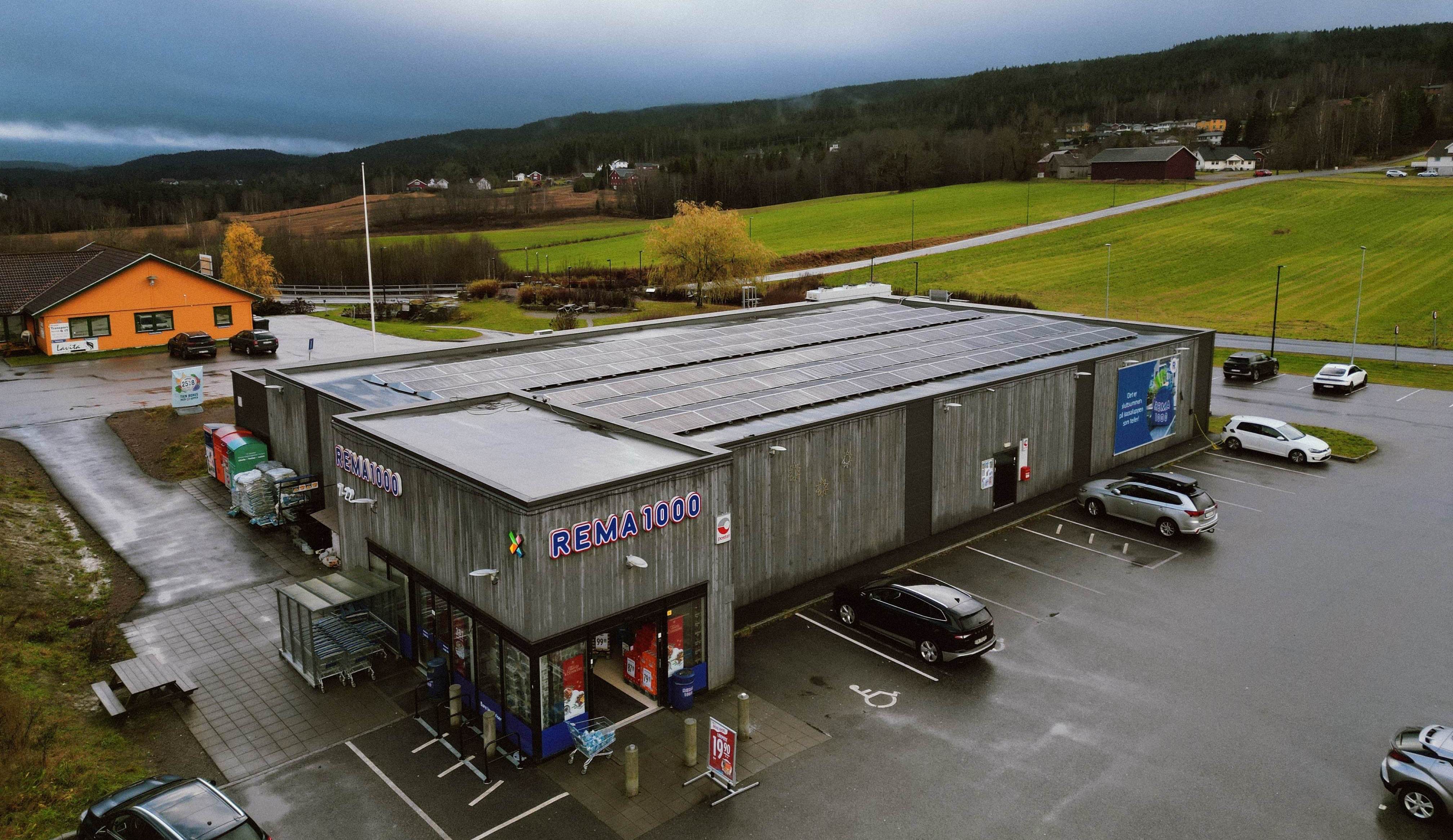
AKA has entered into a partnership with Sunday Power to install solar installations on five REMA 1000 properties. The installations will have a combined capacity of 865 kWp, and four of the five will be completed within five weeks.
.jpeg)
When the solar panels are up on the roofs, a larger share of the electricity used in the stores will be produced directly above the heads of customers and shopkeepers. For AKA, the projects are part of its work to make properties more energy-efficient, future-oriented and attractive to tenants.
The following stores will get solar energy on the roof:
The property sector is taking an increasingly active role in the energy market. More property owners now see their roofs as a resource that can reduce energy costs, strengthen energy ratings and make buildings more attractive to both tenants and the financial market.
At AKA, project manager Even Gunnberg Skistad points to the pace of the rollout as evidence of what is possible when property owner, tenant and energy partners work well together.
"Five installations in five weeks requires good planning, clear lines of responsibility and close collaboration with the stores. At the same time, it has to be safe, well-organized and as unobtrusive as possible for the shopkeepers who need to run their stores as normal while the work is underway. It has been an efficient process from decision to delivery," says Skistad.
For AKA, the initiative is about developing existing buildings in a practical and profitable way.
"We continuously work to develop our property portfolio in a more sustainable and energy-efficient direction. Solar energy is a concrete measure that makes buildings more attractive over time, while also allowing stores to use electricity produced locally on the roof. The partnership with Sunday Power makes it possible to do this efficiently and at scale," says Rolf Hammerengen, Property Director at AKA.
Through the Solar as a Service model, Sunday Power develops, finances and operates the installations in partnership with energy company NTE. The model makes it possible to adopt local energy production without any investment from the property owner.
Bergen Synergy is also part of the solution as energy supplier for REMA 1000 Norway, giving them a consolidated invoicing solution for energy from both the solar installations and the grid.
Over the past year, Sunday Power has rolled out solar energy on a number of REMA 1000 buildings in collaboration with several of the chain's property owners. The projects contribute both to local production of renewable energy and improved energy ratings on the buildings.
REMA 1000 says that solar energy on its store buildings makes them more environmentally friendly and helps relieve pressure on the grid.
"We are very pleased that our property owner is making our stores more environmentally friendly. In this project, we are replacing part of our electricity consumption with solar energy produced directly on the roof, which also relieves an increasingly strained grid. REMA 1000 works every day to operate efficiently, affordably and responsibly, and here we have found strong partners who help us do exactly that," says Geir Bastiansen, Technical Director at REMA 1000 Norway, in connection with the rollout.
Sunday Power is responsible for analysis of the buildings, engineering, procurement of bids from EPC contractors and monitoring of operations and production once the installations are up and running.
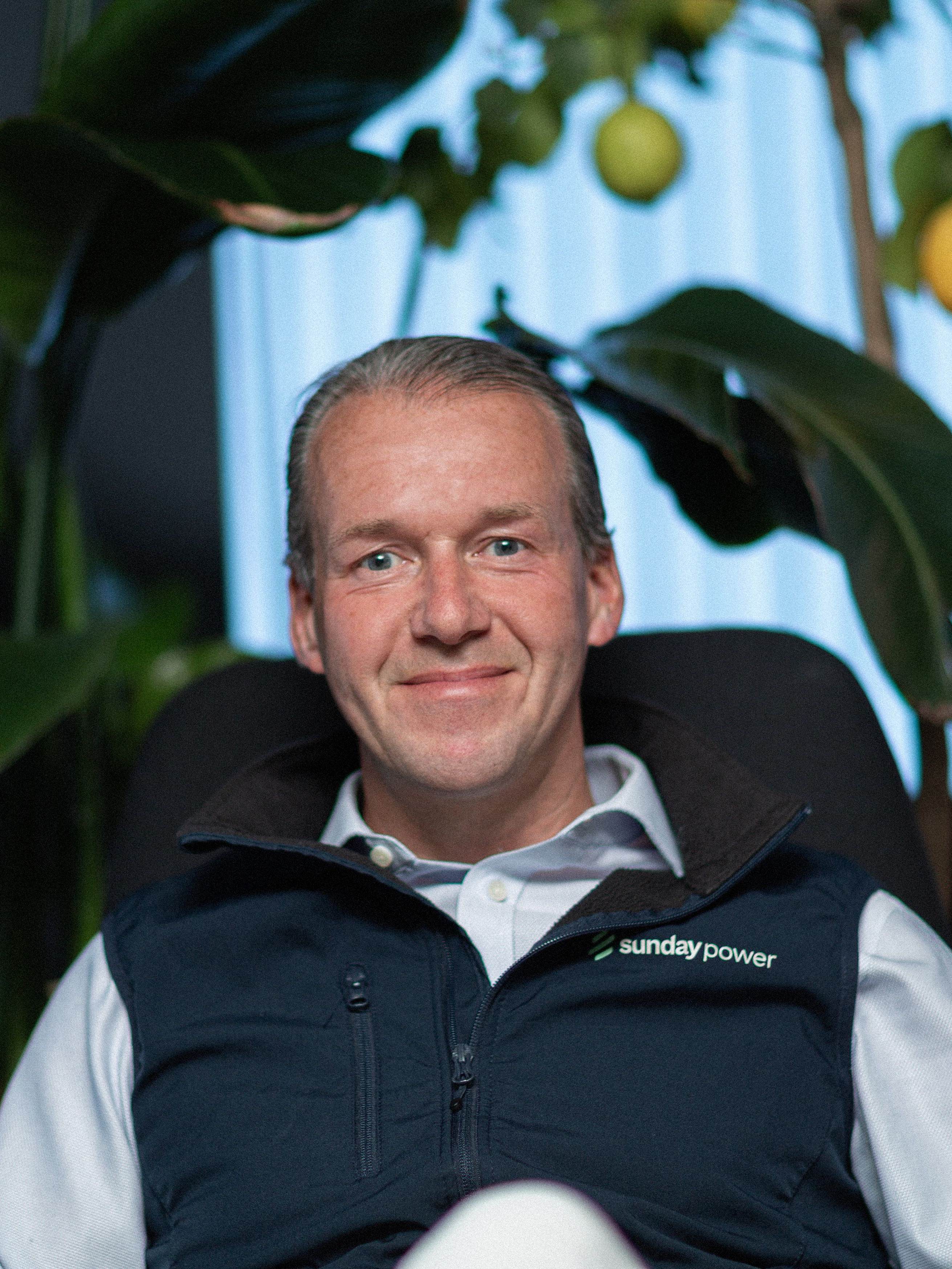
Rikard af Ekenstam, Chief Commercial Officer at Sunday Power, believes the projects show how commercial buildings can take on a new role in the energy system.
"AKA demonstrates how property companies can use existing buildings more smartly to produce local energy. Roofs that were previously passive surfaces can produce electricity locally, reduce dependence on grid energy and strengthen the long-term value of the property portfolio. This type of project is only going to become more important going forward," says Ekenstam.
Installation of the first projects begins in June 2026.